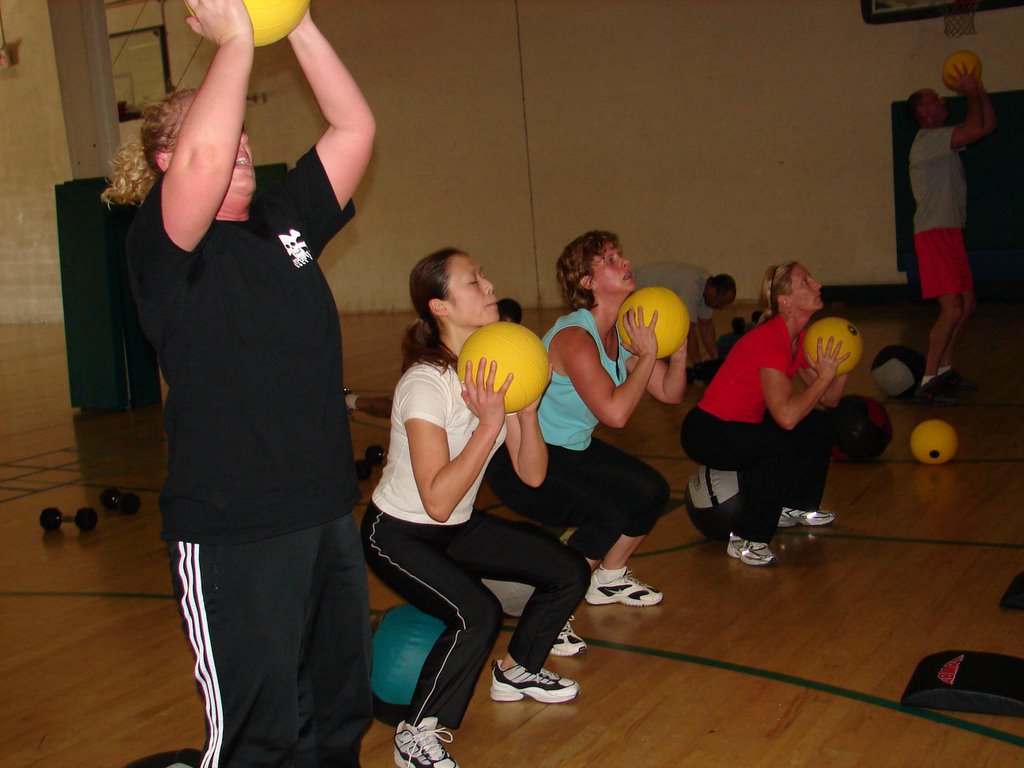
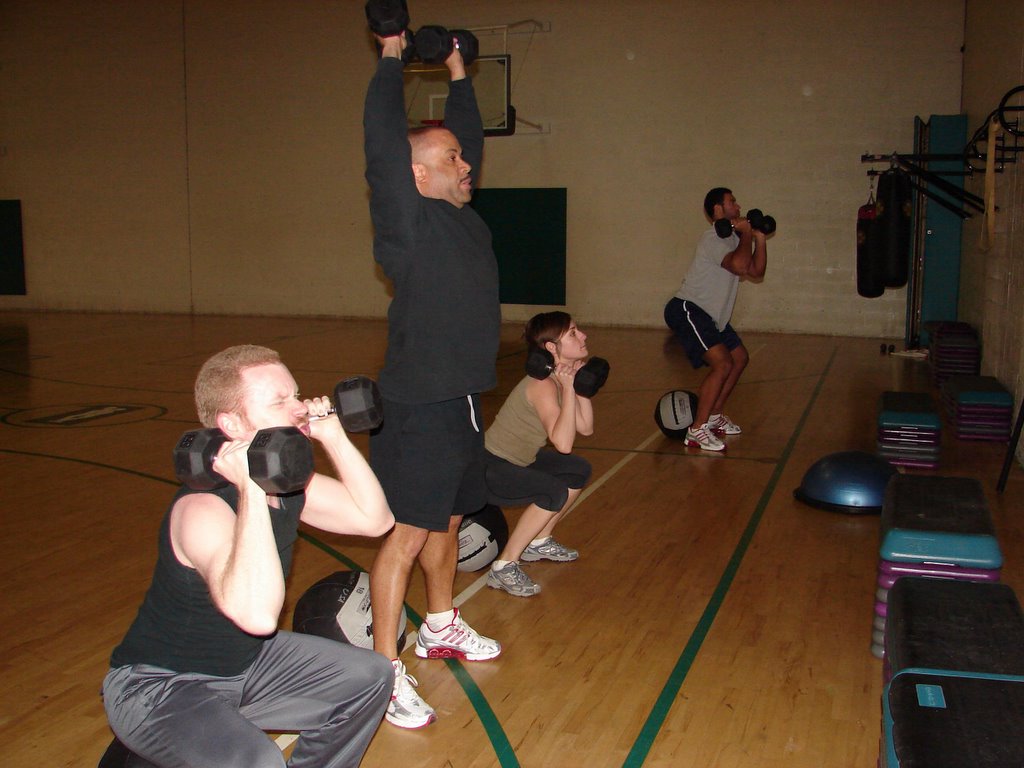
How to Squat (From Eugene Allen's Note at CrossFit Seminar) The squat is the most functional least understood movement. Please read and think.
Here are some valuable cues to a sound squat. Many encourage identical behaviors:
1. Start with your feet about shoulder width apart and slightly toed out.
2. Keep your head up looking slightly above parallel.
3. Don’t look down at all; ground is in peripheral vision only.
4. Accentuate the normal arch of the lumbar curve and then pull out the excess arch with the abs.
5. Keep the midsection very tight.
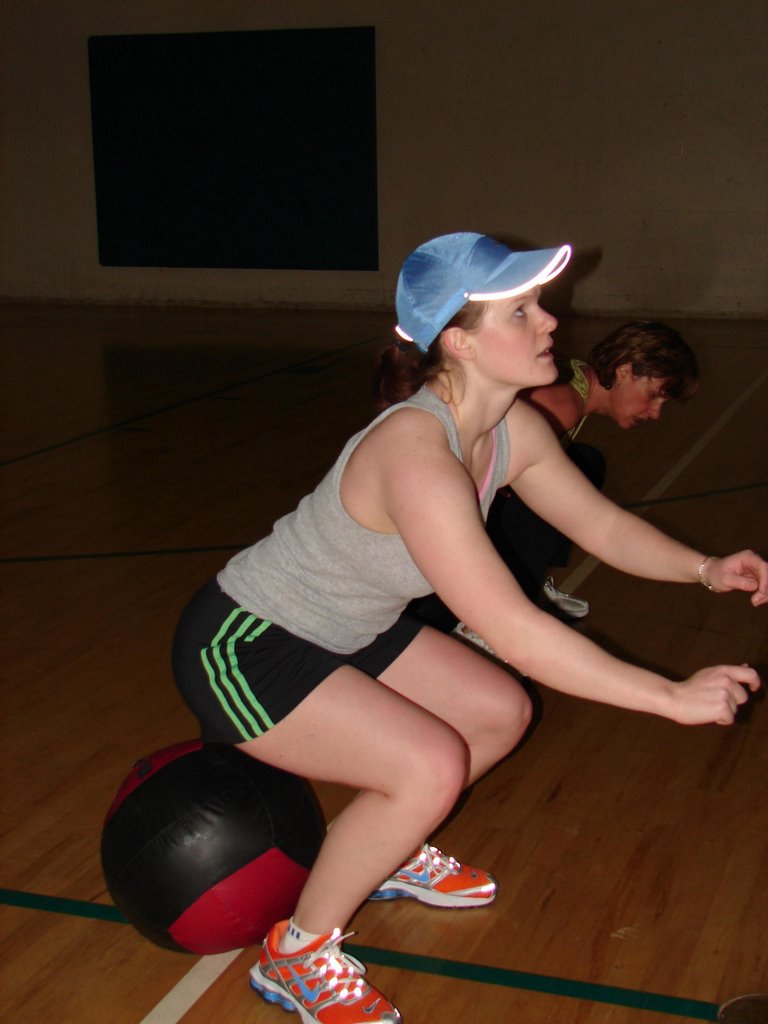
6. Send your butt back and down.
7. Your knees track over the line of the foot.
8. Don’t let the knees roll inside the foot.
9. Keep as much pressure on the heels as possible.
10. Stay off of the balls of the feet.
11. Reduce the forward travel of your knees as much as possible.
12. Lift your arms out and up as you descend.
13. Keep your torso elongated.
14. Send hands as far away from your butt as possible.
15. In profile, the ear does not move forward during the squat, it travels straight down.
16. Don’t let the squat just sink, but pull yourself down with your hip flexors.
17. Don’t let the lumbar curve surrender as you settle in to the bottom.
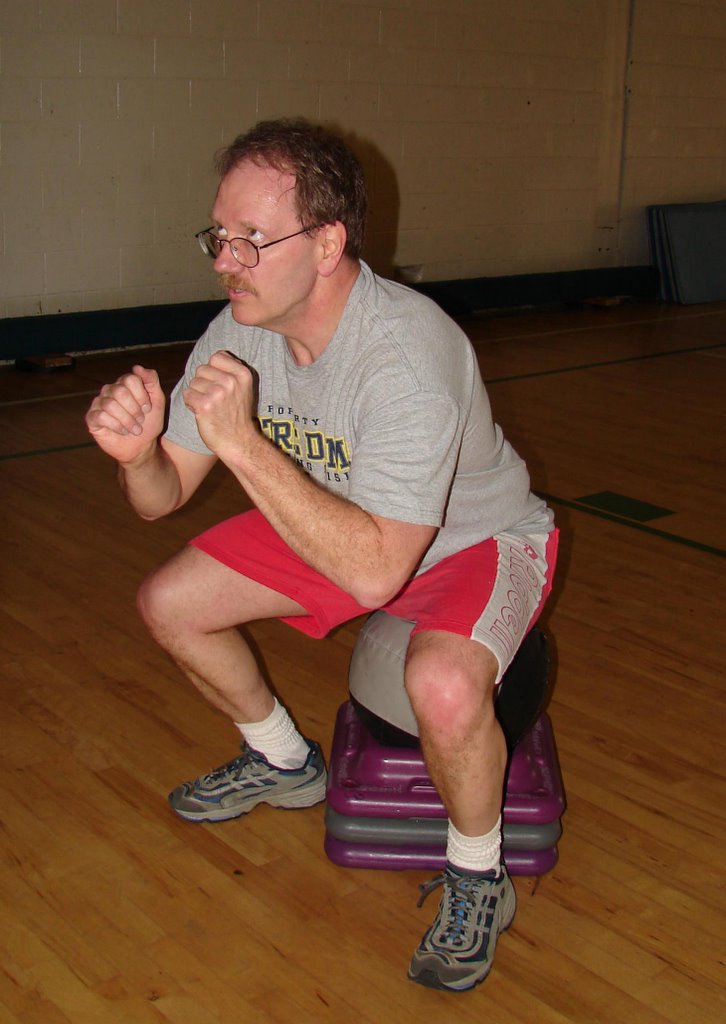
18. Stop when the fold of the hip is below the knee – break parallel with the thigh.
19. Squeeze glutes and hamstrings and rise without any leaning forward or shifting of balance.
20. Return on the exact same path as your descent.
21. Use every bit of musculature you can; there is no part of the body uninvolved.
22. On rising, without moving the feet, exert pressure to the outside of your feet as though you were trying to separate the ground beneath you.
23. At the top of the stroke stand as tall as you possibly can.
The Air Squat
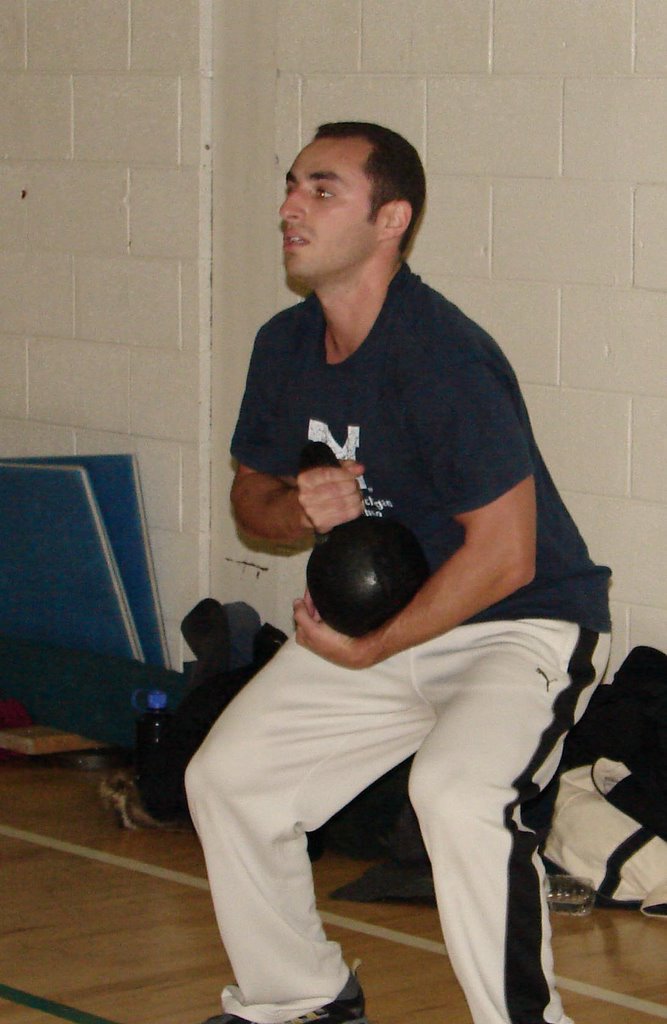
All our athletes begin their squatting with the “air squat”, that is, without any weight other than body weight. As a matter of terminology when we refer to the “squat” we are talking about an unladen, bodyweight only squat. When we wish to refer to a weighted squat we will use the term back squat, overhead squat, or front squat referring to those distinct weighted squats. The safety and efficacy of training with the front, back, and overhead squats, before the weightless variant has been mastered retards athletic potential.
When has the squat been mastered? This is a good question. It is fair to say that the squat is mastered when both technique and performance are superior. This suggests that none of the twenty-three points above are deficient and fast multiple reps are possible.
Our favorite standard for fast multiple reps would be the Tabata Squat (20 seconds on/10 seconds off repeated 8 times) with the weakest of eight intervals being between 18-20 reps. Don’t misunderstand - we’re looking for 18-20 perfect squats in twenty seconds, rest for ten and repeat seven more times for a total of eight intervals. The most common faults to look for are surrendering of the lumbar curve at the bottom, not breaking the parallel plane with the thighs, slouching in the chest and shoulders, looking down, lifting the heels, and not fully extending the hip at the top. Don’t even think about weighted squats until none of these faults belong to you.
Common Faults or Anatomy of a Bad Squat
Not Breaking the Parallel Plane
Rolling Knees Inside Feet
Dropping Head
Losing Lumbar Extension (rounding the back - this may be the worst)
Dropping the Shoulders
Heels Off the Ground
Not Finishing the Squat - not completing hip extension
A relatively small angle of hip extension (flat back) while indicative of a beginner’s or weak squat and caused by weak hips extensors is not strictly considered a fault as long as the lumbar spine is in extension.
Causes of the Bad Squat
1. Weak glute/hamstring. The glutes and hams are responsible for powerful hip extension, which is the key to the athletic performance universe.
2. Poor engagement, weak control, and no awareness of glute and hamstring. The road to powerful, effective hip extension is a three to five year odyssey for most athletes.
3. Squating with quads. Leg extension dominance over hip extension is a leading obstacle to elite athletic performance.
4. Inflexibility. With super tight hamstrings you’re screwed. This is a powerful contributor to slipping out of lumbar extension and into lumbar flexion – the worst fault of all.
5. Sloppy work, poor focus. This is not going to come out right by accident. It takes incredible effort. The more you work on the squat the more awareness you develop as to its complexity.



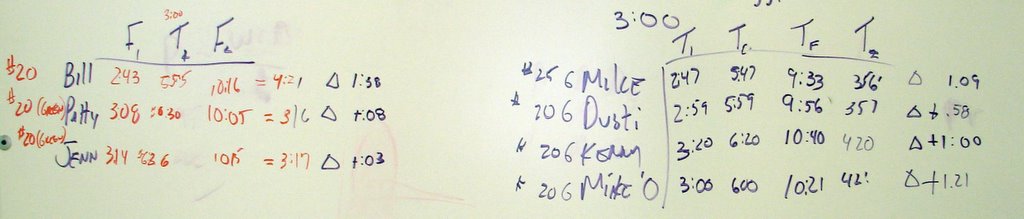 Here are the results. The second group had tighter times since the athletes did not have to use the device. This was pretty unscientific, but showed that it warrants further testing.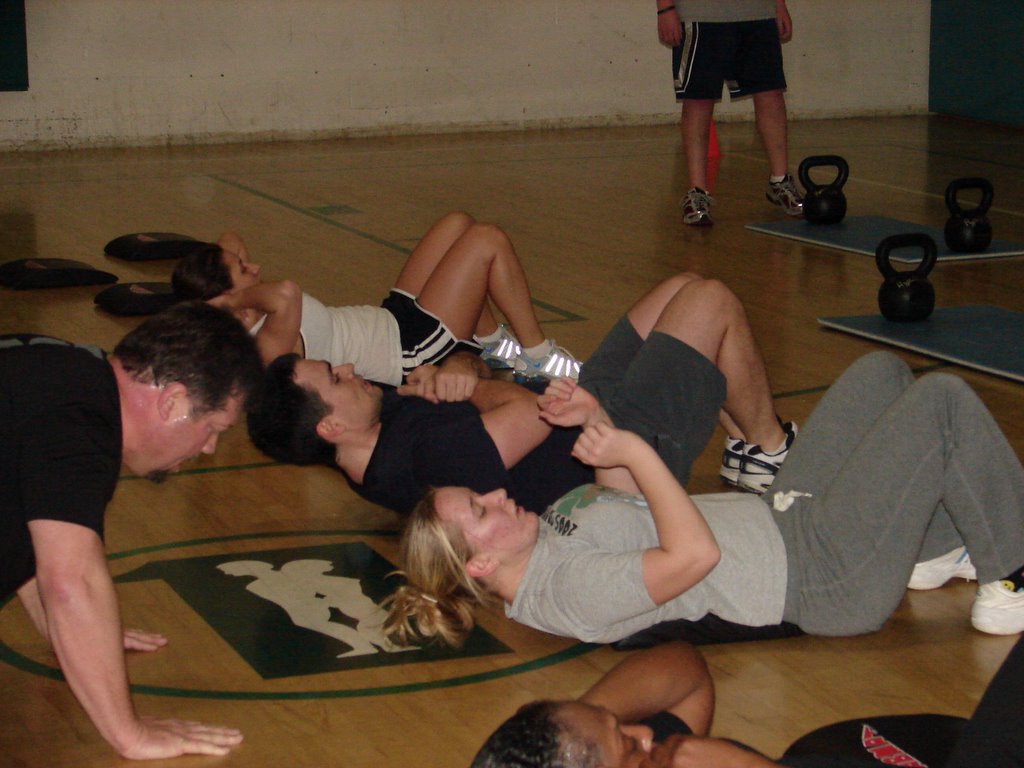


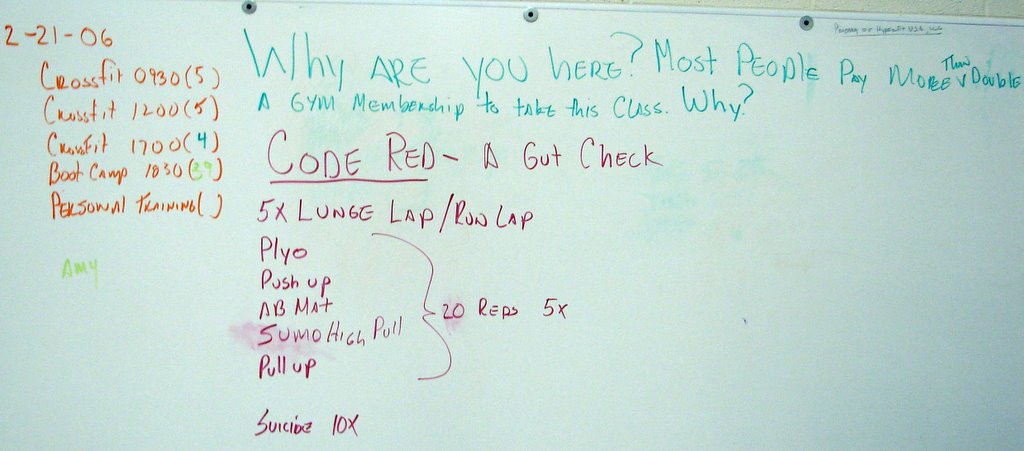


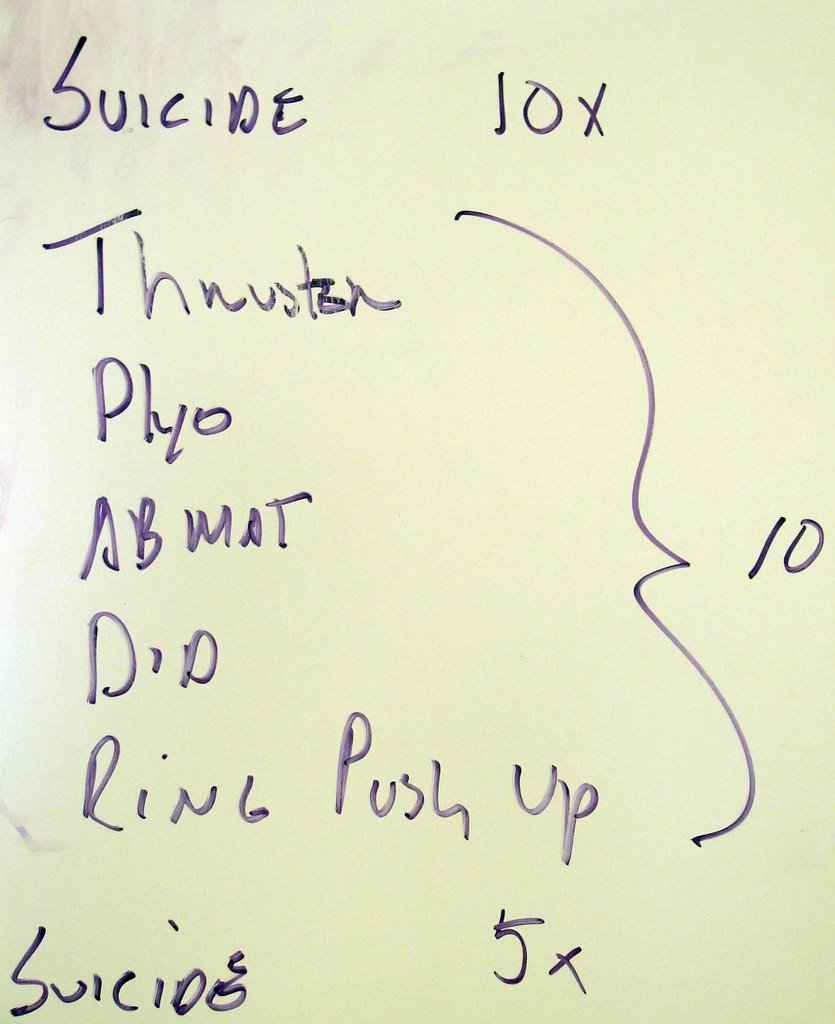
 WOD:
WOD: